

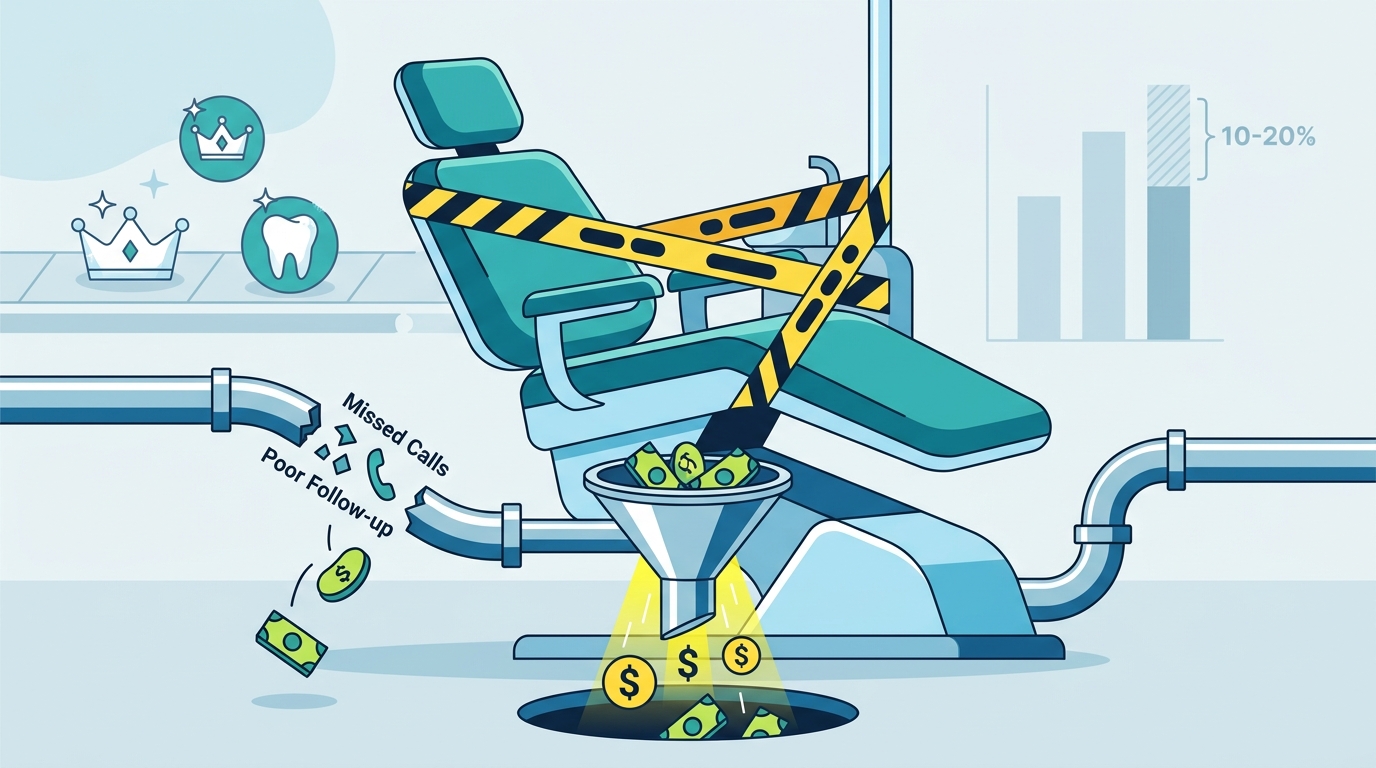
Every empty dental chair represents a direct loss of revenue that is difficult to recover. Recent industry data indicates that the average dental practice loses between 10 to 20 percent of its potential new patients due to poor marketing quality control and inadequate follow-up systems. This leakage is not just about missed calls; it is about the failure to convert high-intent searchers into scheduled appointments. When a potential patient searches for a dentist, they expect immediate responsiveness, clear information, and a seamless booking experience. If your marketing lacks rigorous quality control, you are essentially handing your patients to competitors who have mastered the art of patient acquisition.
Understanding Dental Marketing Quality Control
Dental marketing quality control is the systematic process of monitoring, evaluating, and improving every touchpoint between a potential patient and your practice. It is not enough to simply generate leads; you must ensure those leads are high-quality and that your practice responds with precision. Quality control in this context involves verifying that your digital presence accurately reflects your clinical expertise, that your booking systems are functional, and that your front desk team is trained to convert inquiries into treatment plans.
Without a structured quality control framework, even the most aggressive marketing campaigns will fail to deliver a predictable return on investment. You might see a spike in website traffic, but if the traffic does not translate into booked appointments, the marketing is ineffective. This is why leading agencies focus on outcomes rather than just tactics. For instance, Flow New Patient Marketing emphasizes that their systems are designed to generate predictable new patient flow, ensuring that every marketing dollar contributes to actual practice growth.
Quality control also extends to the patient experience after the appointment is booked. Are reminders sent? Is the check-in process smooth? Does the patient feel valued? These factors influence patient retention and word-of-mouth referrals, which are critical for long-term practice stability. A comprehensive quality control strategy addresses both the acquisition and retention phases of the patient lifecycle.
Auditing Your Website for Conversion Leaks
Your website is the digital front door of your practice. If it is cluttered, slow, or confusing, you will lose patients before they even pick up the phone. The first step in improving marketing quality control is conducting a rigorous audit of your website’s conversion elements. This involves checking the functionality of your contact forms, the clarity of your call-to-action buttons, and the mobile responsiveness of your pages.
Many dental practices suffer from "conversion leaks," where users abandon the site due to poor user experience. Common issues include hard-to-find phone numbers, slow loading speeds, and a lack of clear service descriptions. To fix this, ensure that your contact information is prominently displayed on every page. Use clear, benefit-driven language in your calls to action, such as "Schedule Your Free Consultation" instead of generic "Contact Us" buttons.
Additionally, your website should provide immediate value to visitors. Include patient testimonials, before-and-after photos of cosmetic work, and detailed explanations of your services. This builds trust and reduces the anxiety potential patients may feel when choosing a new dentist. For more insights on building a high-converting website, you can explore dental website best practices that focus on accessibility and user experience.
Standardizing Patient Communication
Inconsistent communication is one of the biggest killers of dental marketing quality. When a potential patient calls your office, the experience should be identical to the one they receive online. This requires standardized protocols for answering phones, handling inquiries, and scheduling appointments. If one staff member is friendly and efficient while another is dismissive or disorganized, your marketing quality control is compromised.
Implementing a standard operating procedure (SOP) for patient communication is essential. This SOP should include scripts for answering common questions, guidelines for handling objections, and steps for confirming appointments. Training your front desk team to follow these protocols ensures that every patient feels heard and valued. It also helps in capturing accurate patient data, which is crucial for targeted marketing campaigns.
Furthermore, consider using automated messaging systems to follow up with leads who do not immediately book. A timely text or email reminder can significantly increase the likelihood of conversion. According to data from the HubSpot Marketing Statistics Report, businesses that respond to leads within an hour are nearly seven times more likely to secure a consultation. This highlights the importance of speed and consistency in your communication strategy.
Leveraging AI for Real-Time Optimization
Artificial intelligence (AI) has revolutionized dental marketing by enabling real-time optimization of campaigns. AI tools can analyze patient behavior, predict which leads are most likely to convert, and automatically adjust marketing spend to target high-value demographics. This level of precision is difficult to achieve with manual methods alone.
By integrating AI into your marketing stack, you can identify patterns in patient data that reveal which services are in high demand and which marketing channels are performing best. For example, AI can help you determine that patients searching for "emergency dentist" are more likely to book immediately, while those searching for "cosmetic dentistry" may need more nurturing. This allows you to tailor your messaging and offers accordingly.
Moreover, AI can assist in managing patient reviews and feedback. Tools that monitor online reputation can alert you to negative reviews instantly, allowing you to address concerns before they escalate. This proactive approach to reputation management is a key component of quality control. For a deeper dive into how AI is transforming the industry, listen to Episode 22 of the Dental Flow Podcast, which discusses leveraging digital channels for growth.
Monitoring Reputation Management
Online reviews are the new word-of-mouth. They play a critical role in how potential patients perceive your practice and can significantly impact your marketing quality. A single negative review can deter dozens of potential patients, while a consistent stream of positive reviews can boost your credibility and search engine rankings.
To maintain high marketing quality control, you must actively monitor and manage your online reputation. This involves responding to all reviews, both positive and negative, in a professional and timely manner. Thanking patients for positive feedback shows appreciation, while addressing negative feedback with empathy and a solution demonstrates your commitment to patient care.
Encourage satisfied patients to leave reviews by making the process easy. You can include links to your review profiles in post-appointment emails or text messages. Additionally, ensure that your practice information is consistent across all online directories, such as Google Business Profile, Yelp, and Healthgrades. Inconsistent information can confuse patients and harm your local SEO performance. According to a study by Reputation.com, 88 percent of consumers trust online reviews as much as personal recommendations, underscoring the importance of a strong online presence.
Key Takeaways
- Predictable Patient Flow: Implementing strict quality control measures ensures a consistent stream of high-value patients, reducing reliance on sporadic marketing efforts.
- Website Conversion Audits: Regularly auditing your website for conversion leaks, such as slow load times or unclear calls to action, is essential for capturing leads.
- Standardized Communication: Establishing SOPs for patient communication ensures that every inquiry is handled professionally, increasing conversion rates.
- AI Integration: Leveraging AI tools allows for real-time optimization of marketing campaigns and personalized patient engagement.
- Reputation Management: Actively monitoring and responding to online reviews builds trust and influences patient decision-making.
- ROI Focus: Focusing on outcomes rather than just tactics, such as the average 5X ROI reported by Flow New Patient Marketing, ensures sustainable practice growth.
- No Long-Term Contracts: Many modern marketing solutions offer flexibility, allowing practices to adapt their strategies without being locked into rigid agreements.
Frequently Asked Questions
What is dental marketing quality control?
Dental marketing quality control is the systematic process of monitoring and improving every touchpoint between a potential patient and your practice, from website interaction to post-appointment follow-up.
How can I improve my dental website's conversion rate?
You can improve conversion rates by auditing your site for user experience issues, ensuring clear calls to action, and providing valuable content that builds trust with visitors.
Why is standardized patient communication important?
Standardized communication ensures consistency in the patient experience, reduces errors, and increases the likelihood of converting inquiries into booked appointments.
How does AI help in dental marketing?
AI helps by analyzing patient data to predict conversion likelihood, optimizing ad spend, and automating personalized patient engagement strategies.
What role do online reviews play in marketing quality?
Online reviews significantly impact patient trust and search engine rankings. Managing them proactively helps maintain a positive practice reputation and attracts new patients.
How often should I audit my marketing efforts?
Regular audits, such as monthly or quarterly reviews, are recommended to identify trends, address issues, and optimize strategies for continuous improvement.
Can small dental practices benefit from quality control?
Yes, small practices can benefit greatly by focusing on high-impact, low-cost quality control measures like standardized communication and active reputation management.
Ready to Elevate Your Practice?
Improving dental marketing quality control is not a one-time task but an ongoing commitment to excellence. By implementing these strategies, you can stop losing patients to competitors and start building a practice that thrives on predictable growth. If you are ready to take your practice to the next level, schedule a free marketing strategy session with our experts. We will analyze your current efforts and provide actionable recommendations to help you achieve your goals.